Identification, assessment, mitigation, monitoring, and documentation are the backbone of every mature risk program. None of that becomes obsolete because the system in question is a model rather than a ledger. The work is adapting proven frameworks to a new technology, not reinventing them.
Key lessons that transfer directly
- Risk registers and heat maps. Just as we map financial and operational risks, we can map AI-specific ones, bias, hallucinations, data poisoning, and rank them by likelihood and impact.
- Segregation of duties. The same principle that prevents a single person from both approving and paying an invoice prevents single points of failure in AI development and deployment.
- Change management controls. A model update is a change to a production system. It deserves the same rigor, testing, and approval trail as any financial-system change.
- Independent review and testing. Third-party or internal audit oversight catches what the builders, however skilled, are too close to see.
AI does not require us to reinvent risk management. It requires us to apply it with the same discipline we already know works.
Bottom line
Organizations that treat AI as an exotic, rules-free frontier will keep rediscovering old failures in new forms. The ones that apply traditional risk discipline, governance first, controls that actually operate, evidence you could reconstruct later, will have a real and durable advantage.
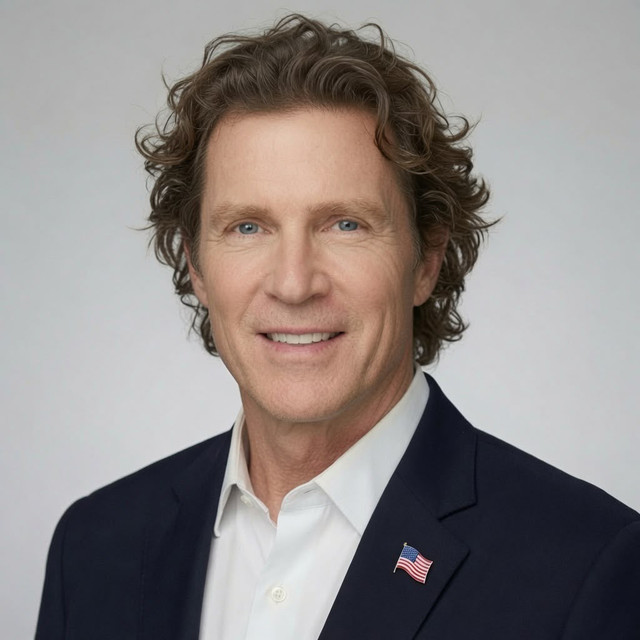
Monte Fisher
CPA (Ret.) · CFE · Lean Six Sigma Green Belt
Independent AI governance and forensic-risk analysis. A retired CPA and Certified Fraud Examiner who spent a career in controllership, SOX, and business-assurance roles at global energy majors. No vendor agenda, no product to sell. Message Monte on WhatsApp →
A note on what this is. This is general educational information and independent commentary on AI governance, controls, and risk. It is not legal, accounting, tax, or investment advice, and reading it does not create a professional engagement. For decisions specific to your organization, consult qualified professionals and your own counsel.